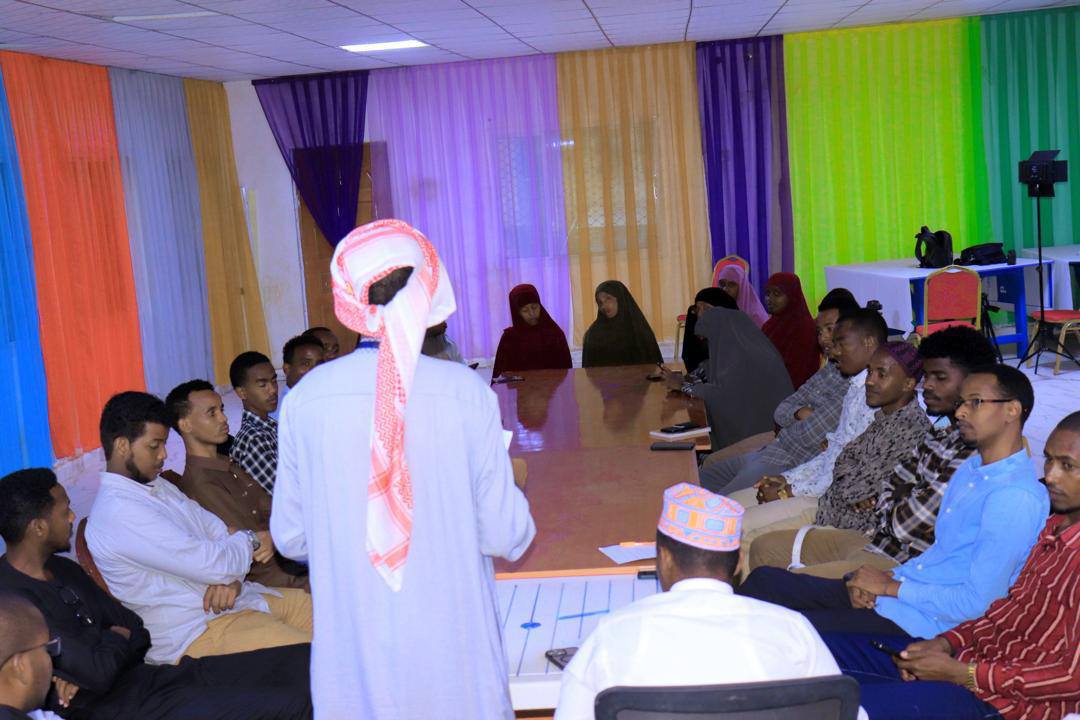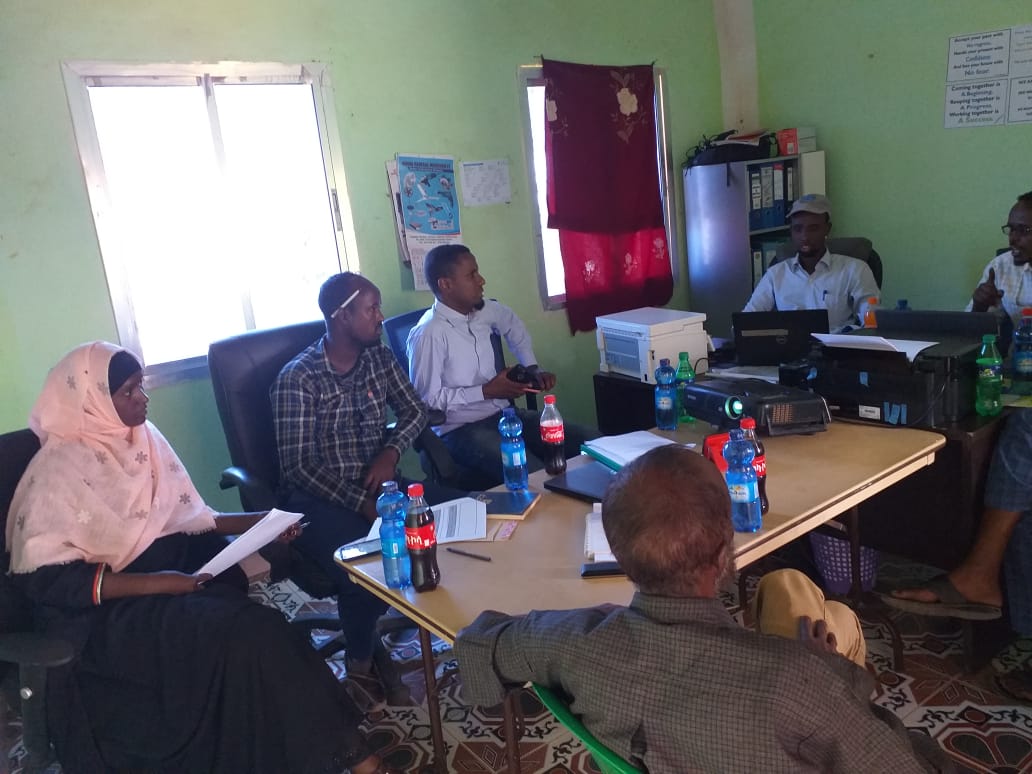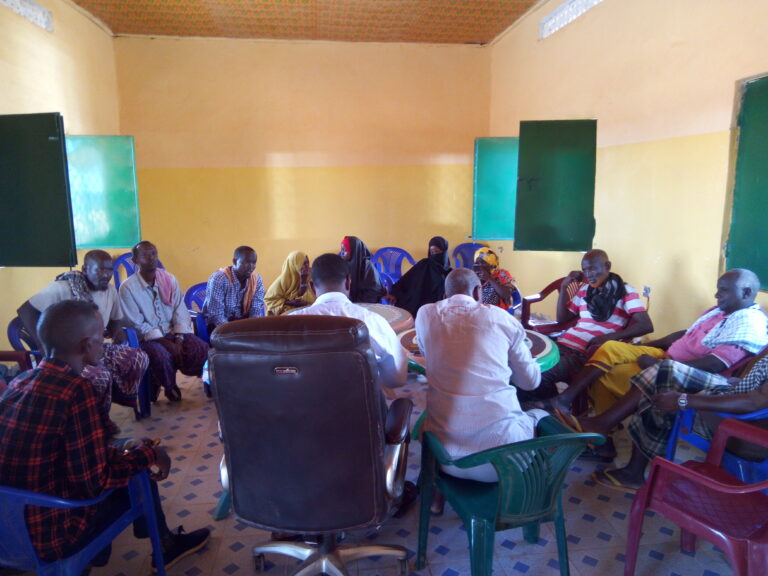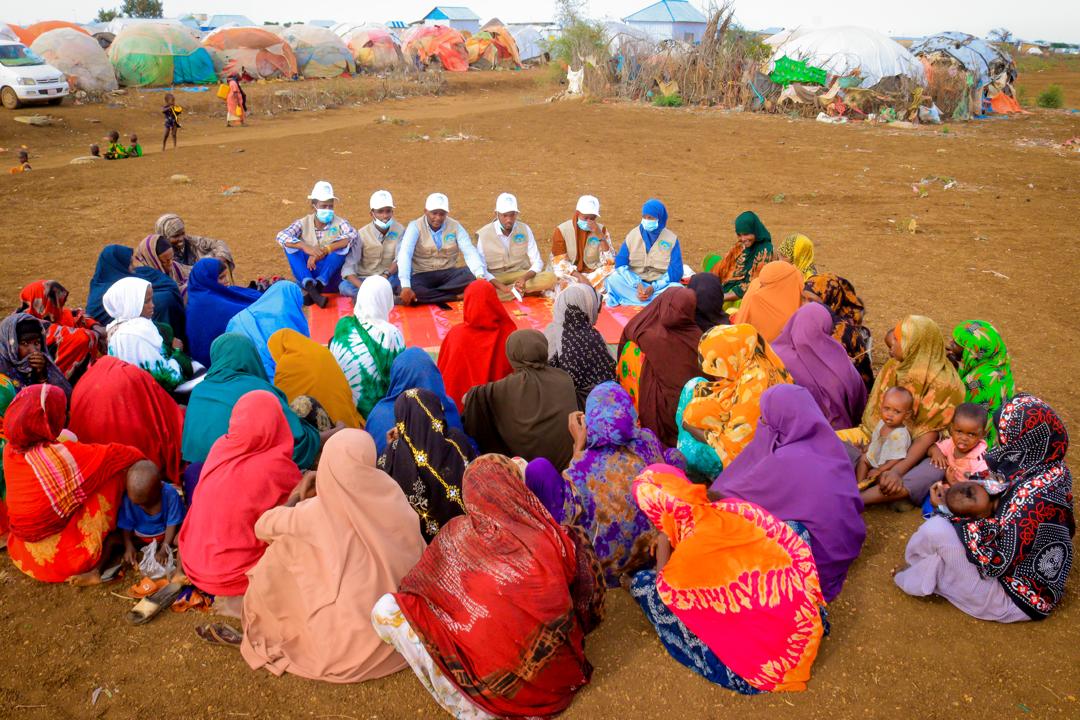
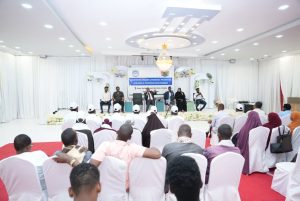
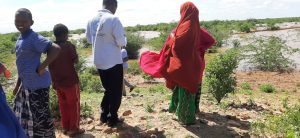
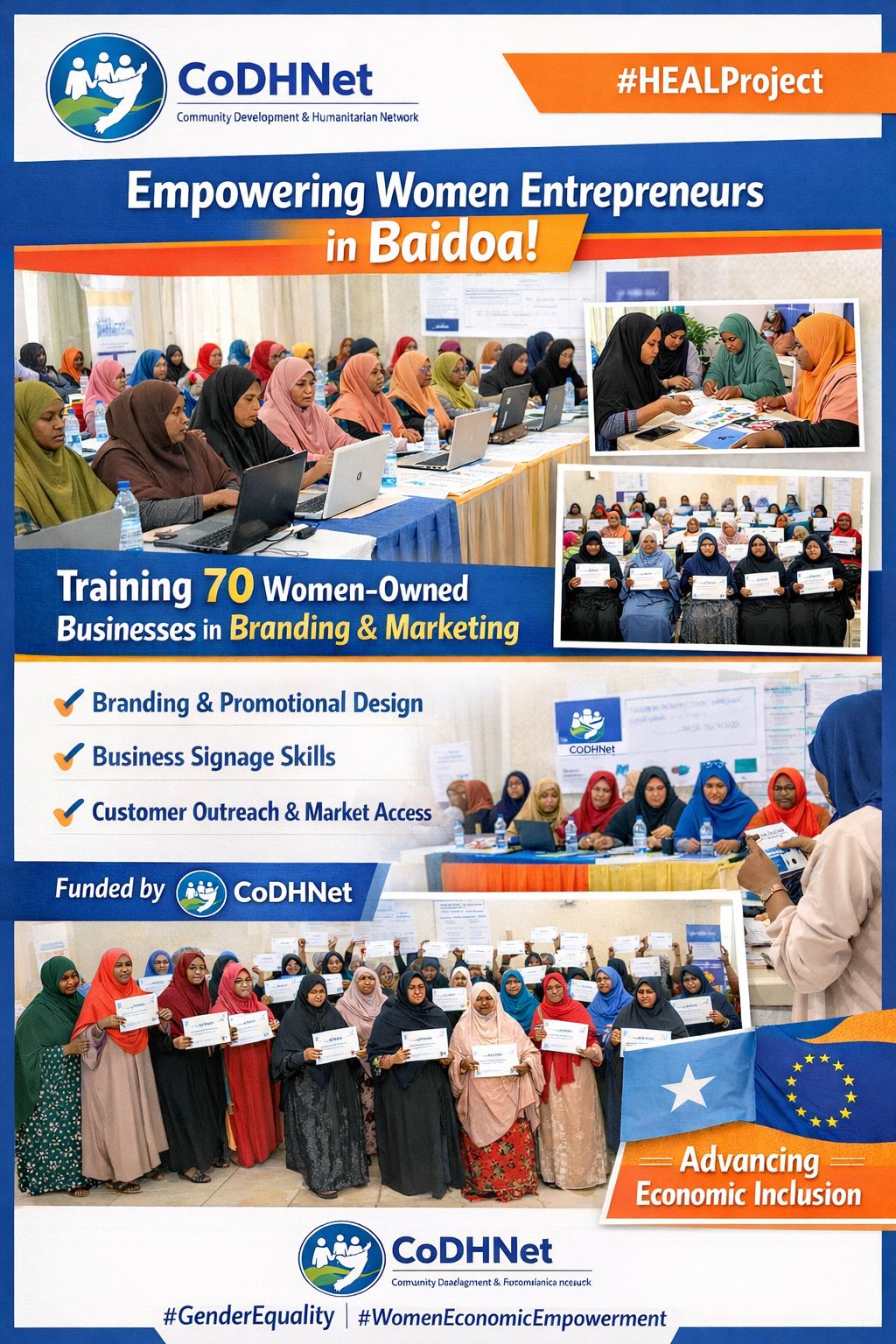
Education Empowerment
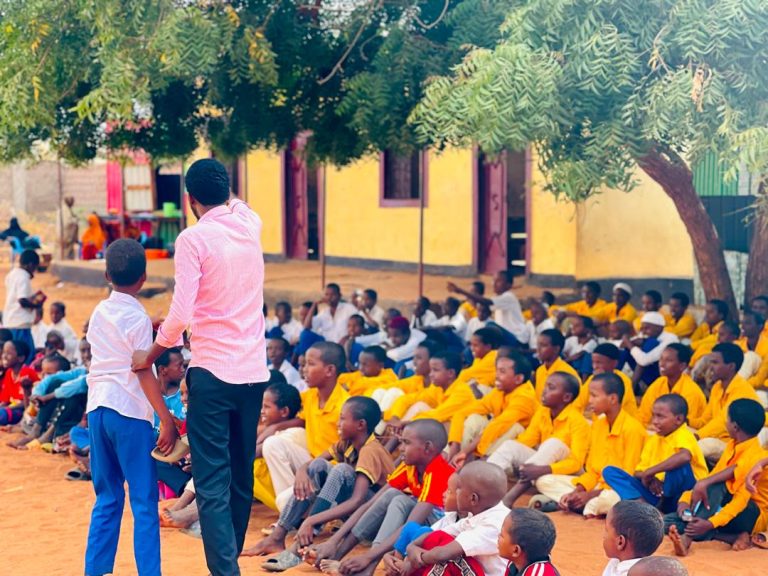
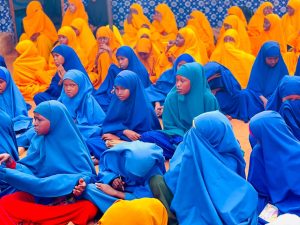
We are dedicated to improving access to quality education, particularly in crisis-affected areas. Our education initiatives focus on training teachers, providing learning materials, and ensuring that marginalized children, including those with disabilities, have equal access to education
Learn More
Health & Nutrition Programme
One Health for Humans, Environment, Animals and Livelihoods (HEAL) program including Integrated Health Services
Learn More
Food Security and Livelihood (FSL)
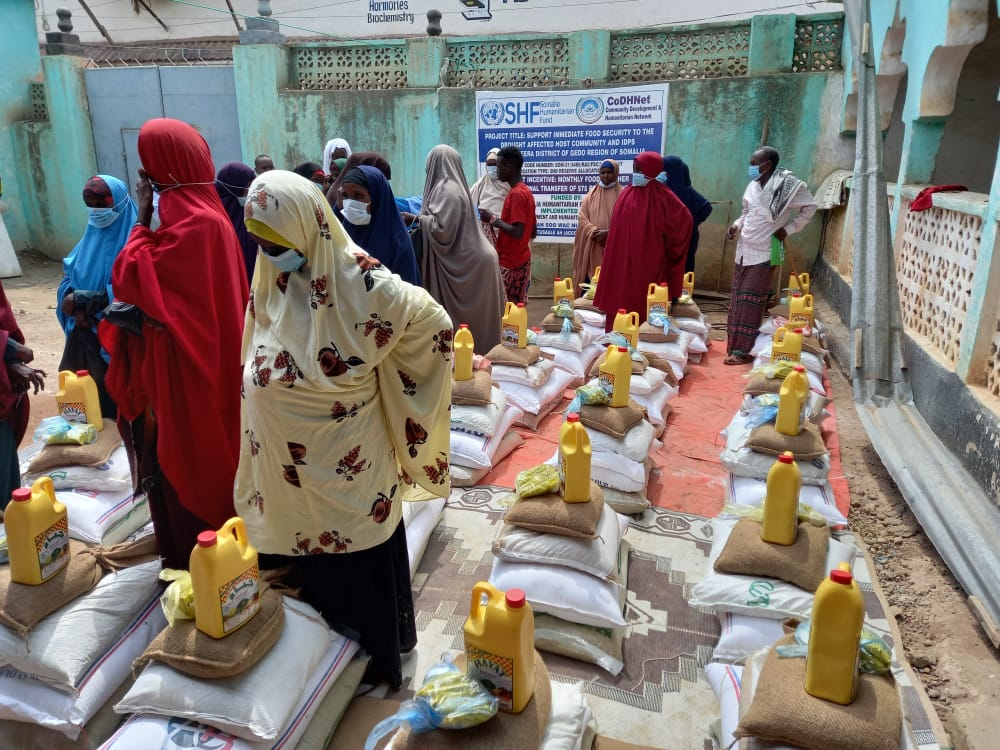
Our FSL programs aim to enhance food security, improve agricultural practices, and promote sustainable livelihoods for vulnerable communities. We support households through training, resource distribution, and cash-for-work initiatives
Learn More
Water,Sanitation and Hygiene (WASH)
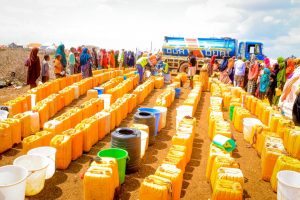
Access to clean water, proper sanitation, and hygiene education is fundamental to improving health and quality of life, especially in crisis-affected communities. CoDHNet’s WASH Program addresses the critical water and sanitation needs of vulnerable populations while promoting sustainable hygiene practices to reduce disease outbreaks and enhance well-being
Learn More
Governance,Peace and Security (GPS)
We support peacebuilding initiatives, promote good governance, and foster community resilience. Our GPS programs focus on reducing conflict, promoting gender equality, and supporting local governance systems
Learn More
Disaster Risk Reduction (DRR)
At CoDHNet, we understand that communities in the Horn of Africa face a wide range of challenges from natural disasters, conflicts, and climate change. Our Disaster Risk Reduction (DRR), Disaster Management, and Emergency Response Program is designed to build resilience, minimize risks, and provide life-saving assistance during emergencies
Learn More
Previous
Next

About Us

The Community Development and Humanitarian Network (CoDHNet) is a non-governmental organization established in 2011. We are committed to promoting sustainable development and humanitarian assistance across the Horn of Africa, focusing on addressing poverty, empowering vulnerable communities, and advocating for human rights and good governance. Through collaborative efforts with local communities, we aim to improve livelihoods, promote peaceful coexistence, and respond effectively to humanitarian crises.

Vision

CoDHNet’s vision is to have a Peaceful, prosperous, well governed & empowered community

Mission

To promote peace and sustainable development among (agro) Pastoralist and urban communities in Horn of Africa to achieve human rights, humanitarian services through provision and equitable socio-economic empowerment that promote justice and advocacy

Core Values

Contribute to the realization of lasting peace, human development & effectively improve the poverty stricken communities that our intervention targets and enhance their resilience in the coming years

Thematic Areas

During the next five years 2025 -2030, CoDHNet focuses on four broad strategic thematic areas, whose choice has been informed by its past experience in working with the communities, where these four areas have been found to be among the most critical, and where the greatest impact can be made

Education Empowerment

We are dedicated to improving access to quality education, particularly in crisis-affected areas. Our education initiatives focus on training teachers, providing learning materials, and ensuring that marginalized children, including those with disabilities, have equal access to education

Health and Nutrition

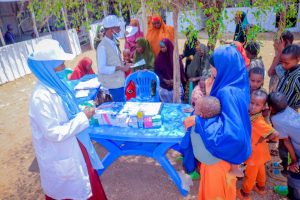
CoDHNet works to improve healthcare access and address malnutrition, particularly in vulnerable and underserved populations. We provide mobile health services, nutritional support, and health education to at-risk communities

Food Security and Livelihood (FSL)

Our FSL programs aim to enhance food security, improve agricultural practices, and promote sustainable livelihoods for vulnerable communities. We support households through training, resource distribution, and cash-for-work initiatives

Water, Sanitation and Hygiene (WASH)

Our WASH programs focus on providing access to clean water, improving sanitation facilities, and promoting hygiene education to prevent disease outbreaks

Research and Advocacy

Our research and advocacy programs aim to influence policies and raise awareness about critical issues affecting vulnerable communities. We conduct research to better understand the needs of the populations we serve and advocate for their rights at national and international levels

Governance, Peace and Security (GPS)

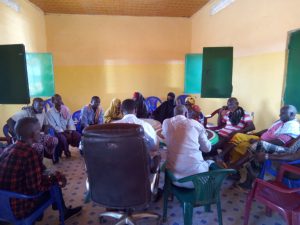
We support peacebuilding initiatives, promote good governance, and foster community resilience. Our GPS programs focus on reducing conflict, promoting gender equality, and supporting local governance systems

Disaster Risk Reduction (DRR), Disaster Management and Emergency Response

CoDHNet is proactive in disaster risk reduction, helping communities prepare for and respond to natural disasters. Our work includes disaster preparedness training, emergency relief distribution, and rebuilding efforts

Cross Cutting Issues

CoDHNet understands the value of advocacy, gender and social inclusion as well capacity development in achieving the vision of the organization. As such, the organization ensures that all programs benefit from these crosscutting implementation strategies as well as taking a human rights-based approach.

Capacity Building: Capacity building involves improving the knowledge, skills, and abilities of individuals and organizations to enhance their effectiveness, sustainability, and reach in their activities.

Advocacy: Advocacy refers to the act of supporting a particular cause or policy, aiming to influence decisions within political, economic, and social systems.

Research: Research involves systematic investigation aimed at discovering new knowledge, deepening understanding, and developing theories in various fields.

Gender and Social Inclusion: Gender and social inclusion focus on promoting equality, diversity, and fair representation, ensuring that all members of society have equitable opportunities and access to resources.

Localization and Humanitarian Aid: Localization in humanitarian aid involves empowering local communities and organizations to lead and implement aid efforts, ensuring responses are relevant to the specific context.

Disability Inclusion: Disability inclusion emphasizes equal participation, access, and opportunities for persons with disabilities, showcasing empowered individuals who contribute meaningfully to society.

Human Rights: Human rights encompass universal rights inherent to all individuals, protecting their dignity, freedoms, and well-being, regardless of race, gender, religion, or other characteristics.

Youth Engagement: Youth engagement involves involving young people in decision-making processes, providing mentorship and advocacy programs to empower them to contribute positively to society.

Our Sustainable Development Goals

CoDHNet, in its selection of thematic areas, has also taken into consideration the SDGs No 1, 2, 3, 4, 6, 8, 10, 13, 16 and 17, and contributes directly to the following, through the various interventions

What We Do

CoDHNet directly works with beneficiaries and currently implements projects in Somalia under six core programs guided by our three strategic goals: Providing Humanitarian Response, Building Bridge Resilience, and Promoting Peace and Security.

CoDHNet’s work is hinged on five key areas: Sustainable Livelihoods Development; WASH; Education; Peace, Conflict Management & Governance; and Disaster Risk Reduction & Climate Change Adaptation. The key strategies of CoDHNet is to empower people to help themselves and advocate for the services they are entitled to achieve human rights, sustainable humanitarian services and equitable socio-economic development that promote peace and justice.

Protection & Human Rights

Environmental Protection & Climate Change

Water, Sanitation and Hygiene (WASH)

1 2

The Changing Story of CoDHNet

Year by year, with your support, we have expanded our work. This is how we changed the story in 2021/22

Education in Emergencies schools reached
146 K+
People supported with Food Security and livelihood means
141 K+
People supported with healthcare and nutrition services
K+
PWDs upskilled, empowered and engaged in our disability inclusion
12 K+
Community Engagement and People supported through capacity building
6 K+
People supported with WASH and sanitation services
57 K+

Latest Blogs

Protection & Human Rights

Protection & Human Rights

Protection concerns.Consideration should be given about what support may be appropriate to young people, parents and members of staff. Use of Help, support groups and open meetings will maintain an open culture and help the healing process. Women and children…

Environmental Protection & Climate Change

Environmental Protection & Climate Change

Nearly 70 % of Somalia’s population depend on agricultural and pastoralist livelihoods. Livestock accounts for around 40% of GDP and more than 50% of export earnings for Somalia. That means nearly 8 million Somalis are dependent on livestock production to…

Water, Sanitation and Hygiene (WASH)

Water, Sanitation and Hygiene (WASH)

Water resources are common reasons behind most of the conflicts and wars among human beings. The old wars among the pastoral tribes were over water. As studies have shown that conflicts over water between nations may occur in the near…

1 2 3

Our Partners